Sterivia

Sterile. Non-pyrogenic. Ready to use.

Single use, sterile and non-pyrogenic Type I glass vials for packaging parenteral medicinal products, designed to deliver reliable performance on filling lines. Plus bromobutyl rubber stoppers in 13 mm and 20 mm.

Type I
First hydrolytic class glass
ETO
Sterilised, non-pyrogenic
2–30 ml
2, 5, 10 and 30 ml
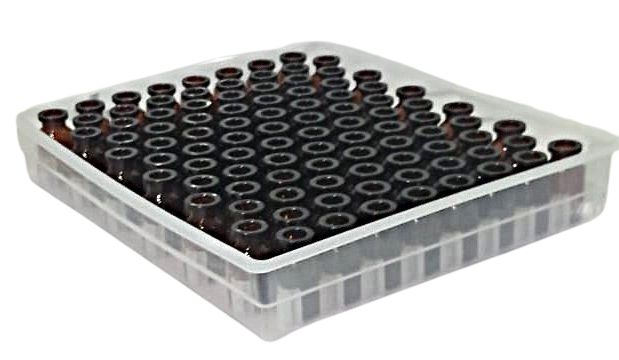
Amber 10 ml RTU vials held in a polypropylene nestPP nest · 96 vials2–30 ml · Amber & Clear · Tray or Nest
10 ml RTU vialLip Ø 19.70–20.20 mm
RTU Vials

Type I Borosilicate Glass

Highly resistant tubing glass, first hydrolytic class according to EP, USP and JP

ETO Sterilised

Sterile, non-pyrogenic, non-toxic, single use

Quality Assurance

Ph. Eur 3.2.1 · USP 660 · JP 7.01

CoA With Every Batch

Dated and signed by a quality assurance representative

Our products

Two product categories

Category 01Ph. Eur 3.2.1 · USP <660>

Sterile RTU Glass Vials

A single use, sterile and non-pyrogenic glass vial for packaging parenteral medicinal products, specifically designed to deliver reliable performance on filling lines.
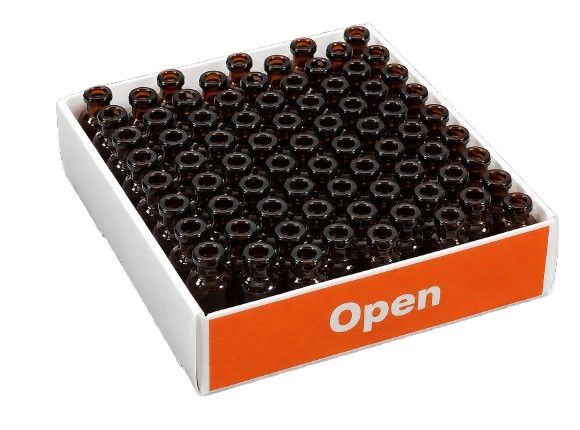
30 ml amber RTU vials in a tray
Available sizes
  • ETO sterilised, non-pyrogenic, single use
  • Tray (PVC) or nest (PP) with Tyvek seal
  • Type I borosilicate glass, amber / clear

View vials
RTU vials

Packaging, labelling & storage

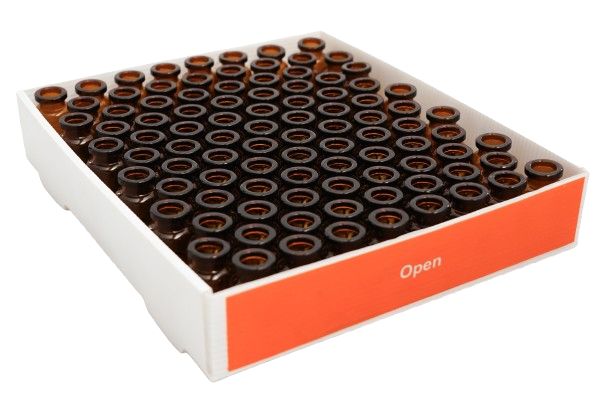
Tray pack of amber RTU vials
Tray packTray: PVC · 2 Tyvek seal · LDPE bag
Nest pack of amber RTU vials
Nest packNest: PP · Tyvek plain & coated paper · 2 LDPE Tyvek header bag
  1. Tray insertVials are placed in a tray and secured in place with a tray insert, to protect them against contamination and damage.
  2. Tyvek sterile barrierThe protective Tyvek seal builds a barrier against microbial contamination.
  3. LDPE bagThe LDPE bag protects against external contamination or damage.
  4. Check before useCheck packaging for holes, tears, damaged or separated seals, which could affect product sterility.
User notices
  • Non-toxic
  • Non-pyrogenic
  • Single use
  • Sterile when packaging is closed and undamaged
  • User is responsible for compatibility with drug
Storage
  • Long-term storage (more than 60 days) between 15 °C and 30 °C (59 °F – 86 °F)
  • Storage always above the dew point
  • No long-term storage with exposure to sunlight
  • Normal warehouse environment with pest control in place
  • Shelf life is documented per Certificate of Analysis (CoA)
RTU vials

Quality Assurance

Ph. Eur

Chapter 3.2.1

USP

Chapter 660

JP

Chapter 7.01

General
  • Converting line with online dimensional control
  • Visual defects checked by inspection systems and statistical in-process control
  • Packaging in controlled area
Documentation
  • Certificate of Analysis (CoA)Every batch
  • US DMF Type IIIOn request
Request a quote

Need pricing for your next batch?

Tell us the vial sizes, stoppers and quantities you need.